Best Flooring Options for Basements
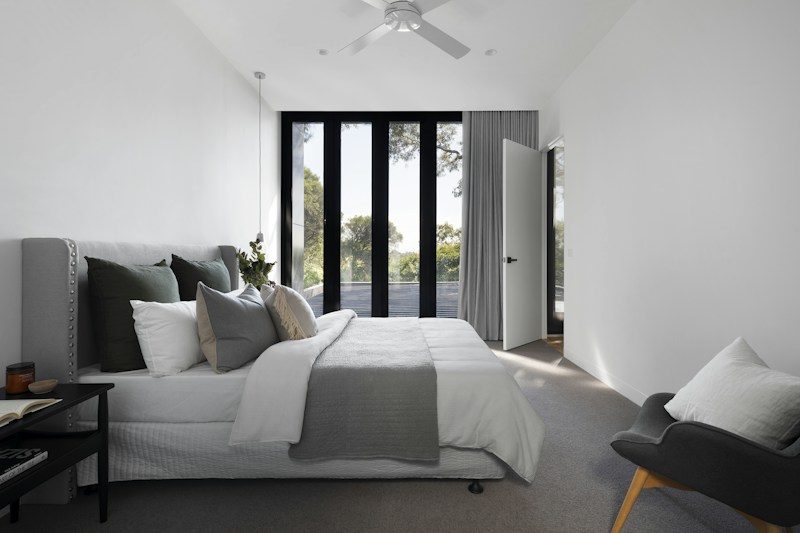
Basement flooring faces unique challenges: moisture, temperature fluctuations, and below-grade conditions. Discover which materials thrive in basement environments and which to avoid.
Understanding Basement Challenges
Basements present unique flooring challenges. Below-grade spaces experience higher humidity and potential moisture intrusion through concrete slabs. Temperature fluctuations are more extreme than above-grade rooms. Concrete subfloors can have moisture content issues even in seemingly dry basements.
Moisture is the primary concern. Even small amounts of moisture vapor transmission through concrete can destroy wood-based flooring. Flooding risk, whether from heavy rain, plumbing failures, or sewer backups, requires waterproof or water-resistant flooring.
Best Basement Flooring Options
**Luxury Vinyl Plank (LVP):** The top choice for basement flooring. Modern LVP is 100% waterproof, comfortable underfoot, and installs easily over concrete with minimal subfloor preparation. Rigid core options provide stability and durability. LVP handles temperature fluctuations without expanding or contracting significantly. Cost-effective at $3-7 per square foot installed.
**Ceramic or Porcelain Tile:** Completely waterproof and unaffected by moisture or temperature changes. Tile is cold underfoot unless paired with radiant heating, but durability is unmatched. Ideal for basement bathrooms, laundry rooms, or workout areas. Cost ranges from $6-12 per square foot installed.
**Engineered Hardwood:** Can work in basements with proper moisture barriers and humidity control. Engineered wood's cross-ply construction resists moisture better than solid hardwood. However, it's not waterproof—flooding will cause damage. Only use in dry basements with dehumidifiers and proper vapor barriers. Cost is $6-12 per square foot installed.
**Rubber Flooring:** Excellent for basement gyms, playrooms, or workshops. Rubber is waterproof, comfortable, sound-dampening, and durable. Interlocking tiles install easily without adhesive. Available in various colors and textures. Cost ranges from $3-8 per square foot.
**Carpet Tile:** Modular carpet tiles allow replacement of water-damaged sections without redoing entire floor. Choose synthetic fibers (nylon, polyester) that resist moisture and mildew. Avoid traditional broadloom carpet—water damage requires complete replacement. Cost is $2-5 per square foot installed.
Flooring to Avoid in Basements
**Solid Hardwood:** Never install solid hardwood in basements. Below-grade moisture causes cupping, buckling, and rot. Solid wood's single-piece construction makes it extremely vulnerable to moisture and humidity changes.
**Standard Laminate:** Traditional laminate has wood-based cores that swell when exposed to moisture. Even humidity can cause edge swelling and plank separation. Some manufacturers offer waterproof laminate suitable for basements, but verify specifications carefully.
**Natural Stone (Marble, Limestone):** While waterproof, soft natural stones are cold, expensive, and can be slippery when wet. Better options exist for basement applications.
Essential Preparation Steps
**Moisture Testing:** Test concrete moisture before installing any flooring. Use calcium chloride test kits or concrete moisture meters. Moisture content should be below 4.5% for wood-based products. High moisture requires remediation before flooring installation.
**Vapor Barrier:** Install 6-mil polyethylene sheeting over concrete before any flooring. Overlap seams 6 inches and tape with moisture-resistant tape. Vapor barriers prevent moisture transmission from concrete to flooring.
**Subfloor Leveling:** Check concrete for level using 6-foot straightedge. Fill low spots and grind high spots. Most flooring requires level within 3/16 inch over 10 feet.
**Humidity Control:** Install dehumidifier to maintain 30-50% relative humidity. High humidity causes mold growth and damages moisture-sensitive flooring.
**Insulation:** Consider insulated subfloor systems for warmth and comfort. Foam or rubber underlayment provides thermal break between cold concrete and flooring.
Room-Specific Recommendations
**Basement Living Spaces:** Luxury vinyl plank provides the best combination of comfort, aesthetics, and water resistance. Choose wood-look planks for warm, inviting appearance. Add area rugs for additional comfort and style.
**Basement Bathrooms:** Porcelain tile is ideal—completely waterproof and easy to clean. Use slip-resistant finishes for safety. Consider radiant heating for comfort.
**Laundry Rooms:** Luxury vinyl or porcelain tile handle water exposure from washing machines and dryers. Choose durable options that resist scratches from appliances.
**Home Gyms:** Rubber flooring provides cushioning, sound dampening, and durability. Interlocking tiles install easily and can be reconfigured as needs change.
**Playrooms:** Carpet tile offers comfort for children while allowing easy replacement of damaged sections. Choose stain-resistant, antimicrobial options.
Finishing Touches
**Baseboards:** Install vinyl or PVC baseboards in basements—they won't rot if exposed to moisture. Leave small gap between flooring and baseboard for expansion.
**Transitions:** Use waterproof transition strips at doorways and where flooring types meet. Metal or vinyl transitions resist moisture better than wood.
**Area Rugs:** Add warmth and comfort with area rugs over hard surface flooring. Choose rugs with moisture-resistant backing to prevent mold growth.
Maintenance Tips
Maintain basement flooring by controlling humidity with dehumidifiers. Clean spills immediately to prevent water sitting on flooring. Inspect regularly for signs of moisture intrusion or damage. Address plumbing leaks immediately—even small leaks can cause significant damage over time.
For vinyl and tile, sweep or vacuum regularly to remove dirt and debris. Damp mop with manufacturer-recommended cleaners. For carpet tile, vacuum weekly and replace stained or damaged tiles as needed.
Cost Considerations
Budget-friendly options include basic luxury vinyl plank ($3-4 per square foot) or carpet tile ($2-3 per square foot). Mid-range choices include premium LVP ($5-7 per square foot) or ceramic tile ($6-8 per square foot). High-end options include engineered hardwood ($8-12 per square foot) or premium porcelain tile ($10-15 per square foot).
Remember to factor in moisture testing, vapor barriers, and subfloor preparation. These essential steps add $1-3 per square foot but prevent costly failures.
Conclusion
Luxury vinyl plank offers the best overall value and performance for basement flooring. It handles moisture, provides comfort, looks great, and installs easily. For specific needs—gyms, bathrooms, or high-end living spaces—consider rubber, tile, or engineered hardwood respectively.
Always prioritize moisture protection through proper testing, vapor barriers, and humidity control. With the right flooring choice and proper preparation, your basement can be a beautiful, functional living space.