Best Flooring for High-Traffic Areas
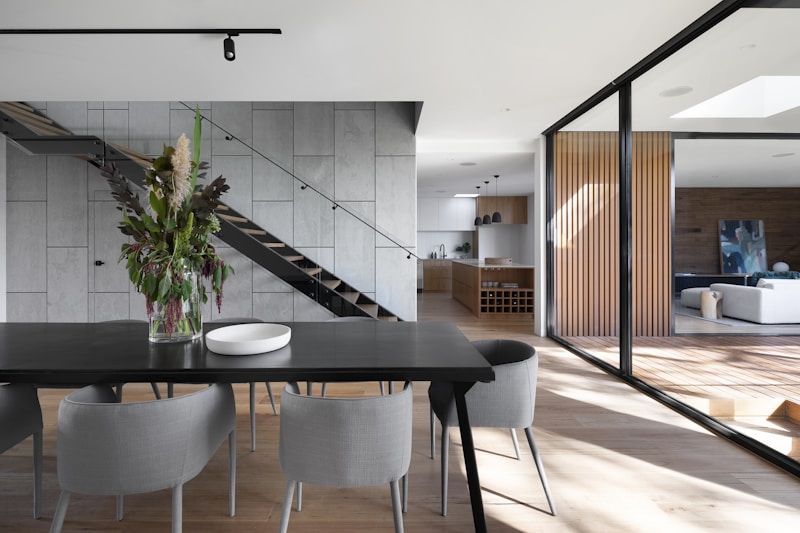
High-traffic areas demand flooring that withstands constant use while maintaining appearance. Discover which materials excel in entryways, hallways, kitchens, and commercial spaces.
What Makes Flooring "High-Traffic Ready"
High-traffic flooring must possess specific characteristics: exceptional scratch and dent resistance, stain resistance, easy maintenance, and ability to maintain appearance despite constant use. The best options combine durability with aesthetic appeal and reasonable cost.
Top Performers for High-Traffic Areas
**Porcelain Tile:** The undisputed champion for high-traffic durability. Porcelain's density makes it virtually indestructible, resistant to scratches, stains, and moisture. It maintains appearance for 50+ years with minimal maintenance. Modern porcelain planks mimic wood beautifully while offering superior performance. Best for: entryways, kitchens, commercial spaces, mudrooms.
**Luxury Vinyl Plank (LVP):** Modern LVP with rigid cores offers remarkable durability at moderate cost. Waterproof construction handles spills and moisture, while wear layers resist scratches and dents. Easy installation and comfortable underfoot make it ideal for residential high-traffic areas. Best for: kitchens, hallways, family rooms, basements.
**Engineered Hardwood:** Offers real wood beauty with better stability than solid hardwood. Cross-ply construction resists moisture and temperature changes. Choose harder species (hickory, maple) with aluminum oxide finishes for maximum durability. Can be refinished 1-3 times depending on wear layer thickness. Best for: living rooms, hallways, offices.
**Commercial-Grade Carpet Tile:** Modular carpet tiles allow replacement of worn sections without redoing entire floor. Nylon fiber with high twist and density resists crushing and matting. Solution-dyed fibers prevent fading and staining. Best for: offices, commercial hallways, hotel corridors.
Flooring to Avoid in High-Traffic Areas
**Solid Hardwood:** While beautiful, solid hardwood shows wear quickly in high-traffic areas. Scratches and dents accumulate, requiring frequent refinishing. Moisture from tracked-in water can cause damage.
**Laminate:** Budget laminate wears through quickly in high-traffic areas. Once the wear layer is compromised, the photographic layer shows damage that cannot be repaired. Mid-grade laminate performs better but still shows wear faster than premium options.
**Natural Stone (Marble, Limestone):** Soft stones scratch and etch easily from foot traffic and spills. They require frequent sealing and professional maintenance to maintain appearance.
Features to Look For
**Wear Layer Thickness:** For vinyl, minimum 12 mil wear layer for residential, 20 mil for commercial. Thicker wear layers last longer under heavy use.
**Janka Hardness Rating:** For wood flooring, choose species above 1200 Janka (hickory, maple, oak). Avoid soft woods like pine or fir in high-traffic areas.
**Finish Quality:** Aluminum oxide or ceramic-enhanced finishes dramatically increase scratch resistance compared to standard polyurethane.
**Slip Resistance:** Essential for entryways and kitchens. Look for textured surfaces or matte finishes that provide traction when wet.
**Warranty:** Commercial warranties indicate true durability. Look for 15+ year residential or 5+ year commercial warranties.
Maintenance Strategies
Even durable flooring requires proper maintenance to maximize lifespan. Use entry mats to trap dirt and moisture before it reaches flooring. Sweep or vacuum daily in high-traffic areas to remove abrasive particles. Clean spills immediately to prevent staining. Use manufacturer-recommended cleaners—harsh chemicals can damage protective finishes.
For tile, reseal grout annually to prevent staining and moisture penetration. For wood and vinyl, use felt pads under furniture legs and avoid dragging heavy items. Refinish engineered hardwood when showing wear rather than waiting for severe damage.
Cost vs. Performance Analysis
**Best Value:** Luxury vinyl plank offers excellent durability at $3-7 per square foot installed. Performance rivals much more expensive options with easier installation and maintenance.
**Premium Performance:** Porcelain tile costs $8-15 per square foot installed but lasts 50+ years with minimal maintenance. Lifetime cost per year is actually lower than cheaper options requiring replacement.
**Mid-Range:** Engineered hardwood ($6-12 per square foot installed) balances real wood aesthetics with good durability. Refinishing capability extends lifespan significantly.
Room-Specific Recommendations
**Entryways:** Porcelain tile or luxury vinyl—both handle moisture and dirt while being easy to clean. Dark colors or patterns hide dirt between cleanings.
**Hallways:** Engineered hardwood or luxury vinyl plank. Hallways see constant traffic but less moisture than entryways. Choose harder wood species or high-wear-layer vinyl.
**Kitchens:** Porcelain tile or waterproof luxury vinyl. Both resist moisture, stains, and heavy traffic. Tile is cooler underfoot; vinyl is more comfortable for prolonged standing.
**Living Rooms:** Engineered hardwood or high-quality laminate. These areas see heavy traffic but less moisture, making wood-look options ideal.
**Commercial Spaces:** Porcelain tile or commercial luxury vinyl. Both meet commercial durability standards and maintain appearance despite extreme use.
Choosing the right flooring for high-traffic areas prevents premature replacement and maintains your home's appearance. Invest in quality materials and proper installation for floors that look great for decades despite heavy use.