Eco-Friendly Flooring: Sustainable Options
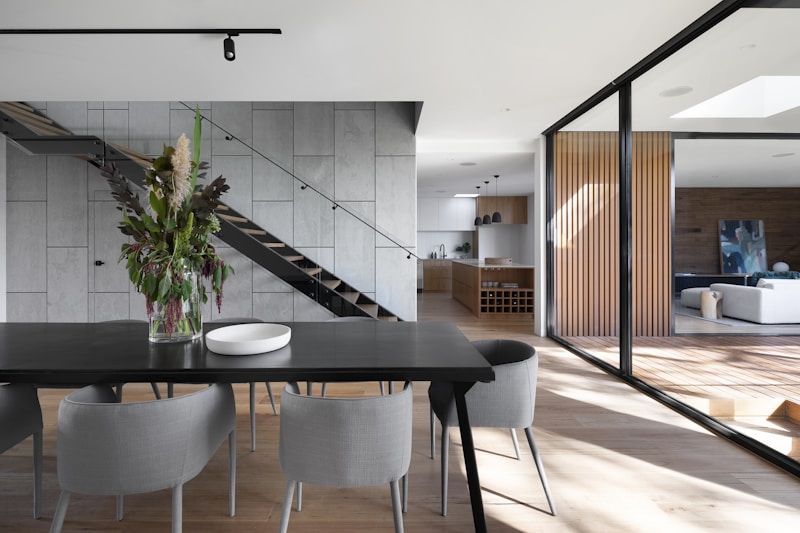
Environmental consciousness drives many homeowners to seek sustainable flooring options. Explore eco-friendly materials that don't compromise on beauty or performance while reducing environmental impact.
What Makes Flooring Eco-Friendly
Truly sustainable flooring considers the entire lifecycle: raw material sourcing, manufacturing processes, transportation, installation, use phase, and end-of-life disposal or recycling. Key factors include renewable resources, low VOC emissions, durability (longer life reduces replacement frequency), recyclability, and responsible manufacturing practices.
Look for third-party certifications: FSC (Forest Stewardship Council) for wood products, FloorScore for low VOC emissions, Cradle to Cradle for comprehensive sustainability, and GreenGuard for indoor air quality.
Top Eco-Friendly Flooring Options
**Bamboo Flooring:** Bamboo is technically a grass that reaches maturity in 3-5 years versus 30-50 years for hardwood trees. This rapid growth makes bamboo highly renewable. Strand-woven bamboo is harder than oak and extremely durable. Choose bamboo certified by FSC to ensure sustainable harvesting practices.
**Considerations:** Manufacturing processes vary—some use high-VOC adhesives. Transportation from Asia increases carbon footprint. Look for low-VOC, formaldehyde-free bamboo products. Cost ranges from $3-8 per square foot installed.
**Cork Flooring:** Cork is harvested from bark of cork oak trees without harming the tree. Trees regenerate bark every 9 years, making cork renewable and sustainable. Cork is naturally antimicrobial, hypoallergenic, and biodegradable. It provides excellent sound and thermal insulation.
**Considerations:** Cork requires sealing for water resistance. It can fade in direct sunlight and dent under heavy furniture. Most cork comes from Portugal, increasing transportation impact. Cost is $3-8 per square foot installed.
**Reclaimed Hardwood:** Salvaged wood from old barns, factories, and buildings gets new life as flooring. Reclaimed wood reduces demand for new timber and prevents usable wood from landfills. It offers unique character with weathered patinas and nail holes. Each piece tells a story.
**Considerations:** Reclaimed wood costs more due to sourcing and preparation ($8-15 per square foot). Availability is limited and inconsistent. Ensure proper cleaning and treatment to remove contaminants. Verify wood species and quality—some reclaimed wood is too damaged for flooring.
**FSC-Certified Hardwood:** Forest Stewardship Council certification ensures wood comes from responsibly managed forests with replanting programs, biodiversity protection, and fair labor practices. FSC hardwood offers traditional beauty with environmental responsibility.
**Considerations:** FSC certification adds cost ($1-2 per square foot premium). Availability may be limited for exotic species. Verify certification authenticity—some companies make false claims. Cost ranges from $7-14 per square foot installed.
**Natural Linoleum:** True linoleum (not vinyl) is made from linseed oil, cork flour, wood flour, and natural resins on jute backing. All components are renewable and biodegradable. Linoleum is durable (lasting 40+ years), naturally antimicrobial, and available in many colors.
**Considerations:** Linoleum requires professional installation and is more expensive than vinyl ($4-8 per square foot). It needs periodic sealing and can be damaged by excessive moisture. Not suitable for DIY installation.
**Recycled Content Flooring:** Some manufacturers use recycled materials in flooring production. Recycled rubber flooring (from tires) works well for gyms and playrooms. Recycled glass tile creates unique, colorful surfaces. Some luxury vinyl products incorporate recycled content.
**Considerations:** Verify recycled content percentage—some products contain minimal recycled materials. Ensure recycled products meet performance standards. Cost varies widely by product type.
Sustainable Installation Practices
Choose low-VOC or zero-VOC adhesives, finishes, and sealers. Traditional products release harmful chemicals for months after installation. Water-based finishes and natural oil finishes significantly reduce indoor air pollution.
Minimize waste through careful planning and precise measurements. Donate usable leftover materials to Habitat for Humanity or similar organizations. Recycle packaging materials.
Choose local materials when possible to reduce transportation emissions. Domestic hardwood has lower carbon footprint than imported exotic species.
Maintenance for Longevity
The most sustainable flooring is flooring that lasts. Proper maintenance extends lifespan, reducing replacement frequency and environmental impact. Use manufacturer-recommended cleaners—harsh chemicals damage finishes and shorten lifespan.
Refinish hardwood and bamboo floors instead of replacing. A single refinishing uses fraction of resources compared to new flooring. Repair damaged sections rather than replacing entire floors when possible.
Flooring to Avoid for Sustainability
**Vinyl Flooring:** Traditional vinyl is petroleum-based plastic with significant environmental impact. Manufacturing releases toxins, and vinyl doesn't biodegrade. Some vinyl contains phthalates and other harmful chemicals. While some manufacturers now produce more eco-friendly vinyl, it's still not a truly sustainable choice.
**Laminate:** Most laminate has wood composite cores with formaldehyde-based adhesives. It cannot be refinished and typically ends up in landfills after 15-25 years. Manufacturing processes are energy-intensive.
**Exotic Hardwoods:** Many exotic species (teak, mahogany, Brazilian cherry) come from endangered rainforests. Illegal logging and unsustainable harvesting practices destroy ecosystems. Unless certified FSC, avoid exotic hardwoods.
Cost vs. Environmental Impact
Eco-friendly flooring often costs more initially but provides value through durability and health benefits. Bamboo and cork cost similar to mid-range hardwood. Reclaimed wood is premium-priced. FSC-certified hardwood adds modest premium over conventional hardwood.
Consider lifecycle costs. Durable eco-friendly flooring lasting 40+ years costs less per year than cheap flooring requiring replacement every 10-15 years. Factor in health benefits from low-VOC products—improved indoor air quality has real value.
Making the Right Choice
Prioritize durability—the longest-lasting flooring is most sustainable regardless of material. Choose locally sourced materials when possible. Verify certifications and sustainability claims. Consider your specific needs and climate—some eco-friendly options work better in certain conditions.
Balance environmental concerns with practical requirements. A slightly less eco-friendly option that lasts longer may be more sustainable than a "green" product that fails prematurely and requires replacement.
Installation and Indoor Air Quality
Allow eco-friendly flooring to acclimate properly to prevent premature failure. Use low-VOC installation products. Ventilate well during and after installation. Some eco-friendly products have natural odors (like linseed oil in linoleum) that dissipate over time.
Choose floating installations over glue-down when possible—less adhesive means fewer VOCs and easier future removal/recycling.
Conclusion
Sustainable flooring options have expanded significantly. Bamboo, cork, reclaimed wood, and FSC-certified hardwood offer environmental responsibility without sacrificing beauty or performance. Choose products with third-party certifications, use low-VOC installation materials, and maintain properly for maximum longevity.
The most sustainable choice balances environmental impact with durability, performance, and your specific needs. A well-maintained eco-friendly floor that lasts decades provides far more environmental benefit than a "green" product that fails prematurely.