Top 10 Flooring Installation Mistakes to Avoid
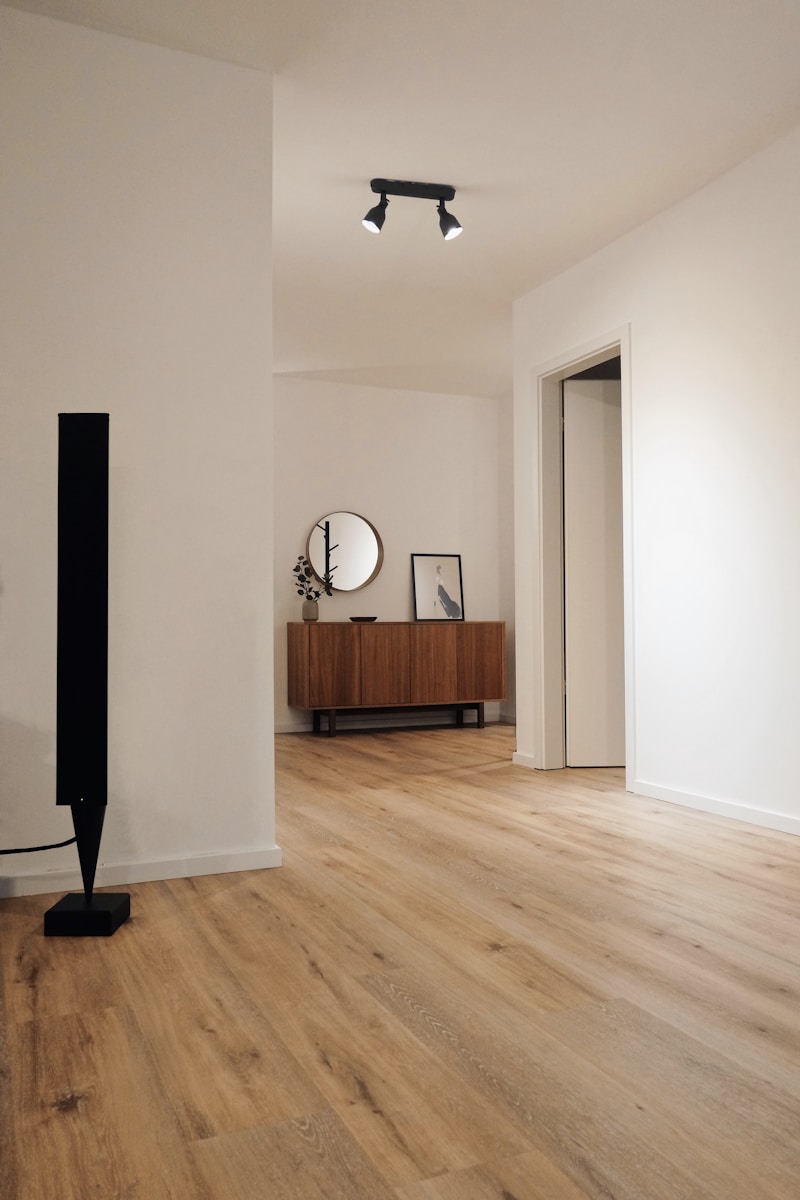
Even experienced DIYers make critical flooring installation mistakes that lead to premature failure, costly repairs, or unsightly results. Learn the most common errors and how to avoid them for a professional-quality installation.
1. Skipping Acclimation
The most common mistake is installing flooring immediately after delivery. Wood-based materials (hardwood, engineered wood, laminate, bamboo) must acclimate to your home's temperature and humidity for 48-72 hours minimum, preferably 7-10 days for solid hardwood. Store boxes in the installation room, opened or with spacers for air circulation.
**Why It Matters:** Wood expands and contracts with moisture changes. Installing flooring that hasn't acclimated can result in gaps during dry seasons or buckling during humid periods. This movement can cause planks to separate, cup, or crown, requiring complete reinstallation.
**How to Do It Right:** Check manufacturer specifications for acclimation time. Use a moisture meter to verify wood moisture content matches your home's relative humidity (typically 6-9% for most regions). Never install when room temperature is below 60°F or above 80°F.
2. Ignoring Subfloor Preparation
Installing over an unlevel, dirty, or damaged subfloor guarantees problems. Many installers rush this crucial step, leading to squeaks, movement, and premature wear.
**Why It Matters:** Subfloor imperfections telegraph through thin flooring materials, especially vinyl and laminate. High spots create rocking, while low spots allow movement that breaks locking mechanisms. Dirt and debris prevent proper adhesion and create bumps.
**How to Do It Right:** Check level with a 6-foot straightedge—subfloor should be flat within 3/16 inch over 10 feet. Sand high spots, fill low areas with leveling compound, and secure loose sections with screws. Clean thoroughly before installation.
3. Inadequate Expansion Gaps
Floating floors (laminate, engineered wood, vinyl plank) must have room to expand. Many installers place flooring too close to walls, creating buckling when materials expand.
**Why It Matters:** Temperature and humidity changes cause flooring to expand and contract. Without adequate expansion gaps (typically 1/4 to 1/2 inch), flooring has nowhere to go and buckles upward, creating unsightly peaks and permanent damage.
**How to Do It Right:** Use spacers around entire perimeter, including doorways and around obstacles like pipes and cabinets. Never glue or nail floating floors to subfloor. Ensure baseboards cover expansion gaps without pressing down on flooring.
4. Poor Stagger Pattern
End joints that align or are too close together create weak points and look unprofessional. This "H-joint" or "stair-step" pattern is structurally weak and visually distracting.
**Why It Matters:** Aligned joints create continuous seams that can separate under stress. Proper staggering distributes weight and stress across the floor, preventing separation and creating a natural, random appearance.
**How to Do It Right:** Offset end joints by at least 6 inches, preferably 12 inches or more. Use a random pattern by varying starter plank lengths. Never create an H-pattern where joints in three consecutive rows align.
5. Incorrect Underlayment
Using wrong or no underlayment causes noise, discomfort, moisture problems, and voided warranties. Different flooring types require specific underlayment properties.
**Why It Matters:** Underlayment provides sound dampening, cushioning, and moisture protection. Foam works for laminate, felt for engineered wood, and vapor barriers are essential over concrete. Wrong underlayment can trap moisture or fail to provide necessary support.
**How to Do It Right:** Follow manufacturer specifications exactly. Never overlap underlayment—butt edges together and tape seams. Use vapor barrier over all concrete subfloors. Don't double-up underlayment thinking more is better.
6. Rushing Adhesive Installations
Glue-down floors require respecting open time and proper trowel notch size. Rushing causes poor adhesion and future failures.
**Why It Matters:** Adhesive has specific open time (typically 30-60 minutes) before it skins over and loses bonding strength. Wrong trowel size applies too much or too little adhesive. Insufficient adhesive causes hollow spots and loose tiles.
**How to Do It Right:** Work in small sections you can complete within open time. Use manufacturer-specified trowel notch size. Roll flooring with 100 lb roller to ensure full contact. Check for proper adhesive transfer by lifting a plank—90% of back should have adhesive coverage.
7. Neglecting Moisture Testing
Installing over wet subfloors causes catastrophic failure. Concrete takes months to fully cure, and moisture can wick up through slabs.
**Why It Matters:** Moisture causes wood flooring to cup, buckle, and rot. It destroys adhesives and creates mold growth. Moisture problems often don't appear for months, well after installation is complete.
**How to Do It Right:** Test concrete with calcium chloride test or moisture meter. Concrete should be below 4.5% moisture content for wood flooring. Wait for new concrete to cure fully (60-90 days minimum). Install vapor barriers over all concrete subfloors.
8. Improper Transition Strips
Forgetting transitions between rooms or different flooring types creates tripping hazards and allows flooring movement. Gluing transitions to floating floors prevents necessary expansion.
**Why It Matters:** Transitions provide clean visual breaks, accommodate height differences, and allow floating floors to move independently. Missing or incorrect transitions look unfinished and can damage flooring.
**How to Do It Right:** Install transitions at all doorways and where flooring types meet. Use T-molding for same-height floors, reducers for height changes, and thresholds at exterior doors. For floating floors, secure transition track to subfloor, never to the flooring itself.
9. Cutting Corners on Tools
Using dull blades, wrong saw types, or inadequate tools produces poor cuts, wastes material, and creates frustration. Many DIYers underestimate tool requirements.
**Why It Matters:** Clean, precise cuts are essential for professional appearance and proper fit. Dull blades tear laminate and vinyl, splinter hardwood, and chip tile. Wrong tools slow installation and increase errors.
**How to Do It Right:** Rent professional tools for large projects—drum sanders, tile saws, pneumatic nailers. Use sharp carbide-tipped blades for laminate and hardwood. Replace utility knife blades frequently when cutting vinyl. Invest in quality measuring tools and spacers.
10. Ignoring Manufacturer Instructions
Every flooring product has specific installation requirements. Ignoring these instructions voids warranties and causes failures.
**Why It Matters:** Manufacturers test their products extensively and know what works. Deviating from instructions—using wrong adhesive, skipping steps, or improvising—leads to problems and warranty denial.
**How to Do It Right:** Read complete installation instructions before starting. Follow specifications for acclimation, subfloor prep, adhesive type, expansion gaps, and environmental conditions. Keep documentation for warranty claims. When in doubt, contact manufacturer technical support.
Bonus Tip: Know When to Hire Professionals
Some installations exceed DIY capabilities. Complex layouts, large areas, expensive materials, or subfloor issues often warrant professional installation. The cost of fixing DIY mistakes often exceeds hiring professionals initially.
Avoiding these common mistakes ensures your flooring installation looks professional, performs well, and lasts for decades. Take time to prepare properly, follow instructions carefully, and don't rush the process. Quality installation is the foundation of beautiful, durable flooring.