Hardwood vs Laminate vs Tile: Which Flooring is Best?
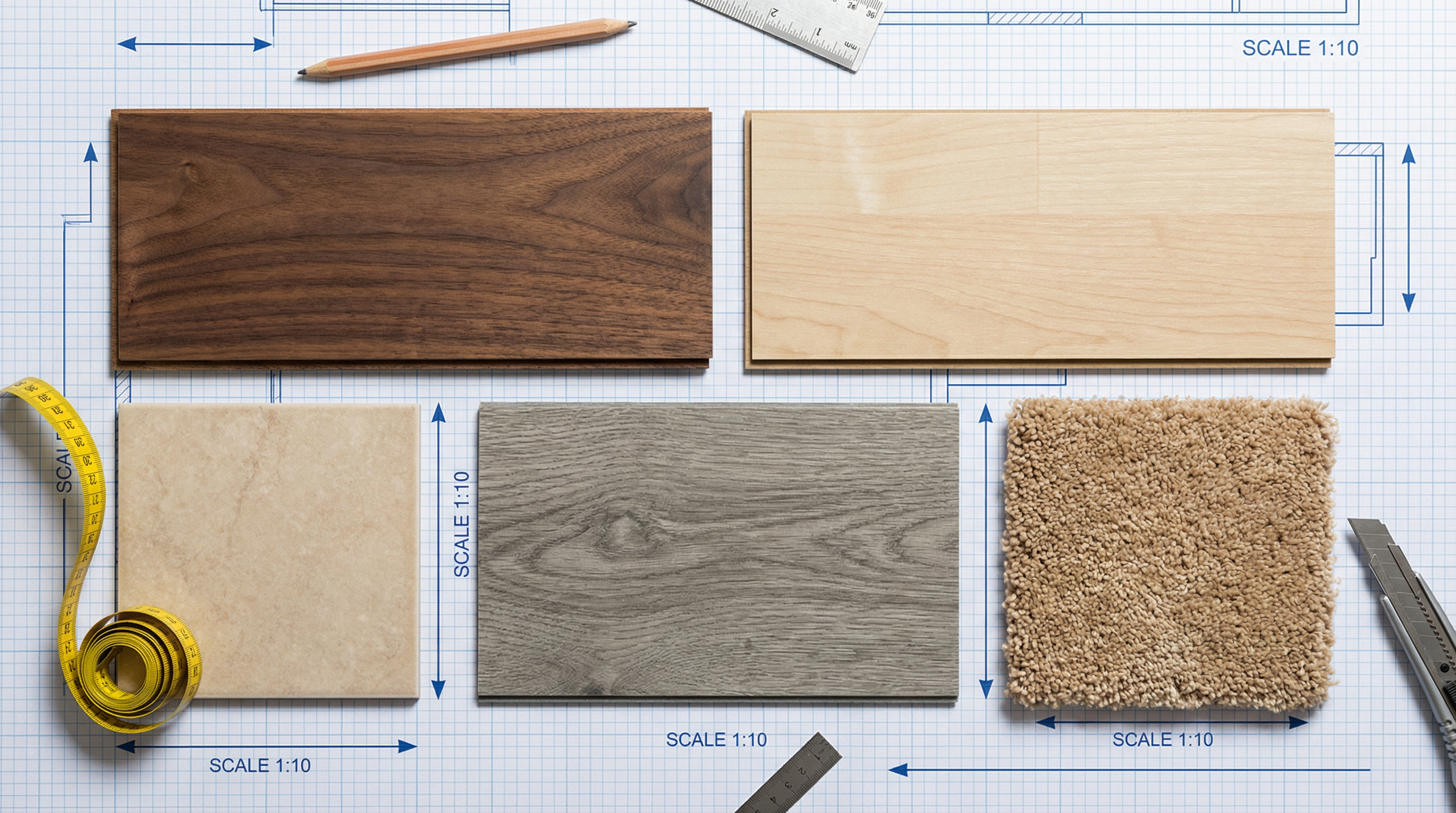
Choosing the right flooring material is one of the most important decisions in home renovation. Each option offers unique benefits and drawbacks that affect cost, durability, maintenance, and aesthetics. This comprehensive comparison will help you make an informed decision based on your specific needs, budget, and lifestyle.
Hardwood Flooring
Hardwood flooring remains the gold standard for residential flooring, offering timeless beauty and exceptional longevity. Solid hardwood consists of planks milled from a single piece of wood, typically oak, maple, cherry, or walnut. This natural material brings warmth and character to any space while increasing home value significantly.
**Advantages:** Hardwood floors can last 100+ years with proper care and can be refinished multiple times to restore their original beauty. They're hypoallergenic, easy to clean, and come in countless species and finishes. Hardwood also provides excellent return on investment, with studies showing homes with hardwood floors sell faster and for higher prices.
**Disadvantages:** The primary drawback is cost, with materials and installation ranging from $6-14 per square foot. Hardwood is susceptible to water damage and scratches, making it unsuitable for bathrooms or high-moisture areas. It also requires periodic refinishing every 10-20 years to maintain its appearance.
**Best For:** Living rooms, dining rooms, bedrooms, and hallways in homes where long-term investment and classic aesthetics are priorities.
Laminate Flooring
Laminate flooring revolutionized the industry by offering the look of hardwood at a fraction of the cost. This synthetic product consists of multiple layers: a moisture-resistant core, a photographic layer that mimics wood or stone, and a protective wear layer. Modern laminate technology has advanced significantly, producing remarkably realistic wood appearances.
**Advantages:** Laminate costs significantly less than hardwood ($3-7 per square foot) while offering superior scratch and dent resistance. It's easier to install with click-lock systems that allow for DIY installation, and it performs better in high-traffic areas. Laminate also resists fading from sunlight and requires minimal maintenance.
**Disadvantages:** Unlike hardwood, laminate cannot be refinished when damaged or worn. It has a hollow sound underfoot and lacks the authentic feel of real wood. While water-resistant, laminate is not waterproof, and moisture can cause irreparable swelling. It also has a shorter lifespan of 15-25 years.
**Best For:** Budget-conscious homeowners, rental properties, high-traffic areas, and homes with children or pets where durability is essential.
Tile Flooring
Ceramic and porcelain tile flooring offers unmatched durability and water resistance, making it the preferred choice for bathrooms, kitchens, and entryways. Tile comes in an enormous variety of sizes, colors, patterns, and textures, from classic subway tiles to large-format porcelain planks that mimic wood or marble.
**Advantages:** Tile is virtually indestructible, lasting 50+ years with minimal maintenance. It's completely waterproof, stain-resistant, and ideal for wet areas. Tile stays cool in summer, works with radiant heating systems, and offers unlimited design possibilities. It's also hypoallergenic and doesn't harbor allergens or odors.
**Disadvantages:** Tile is cold and hard underfoot, which can be uncomfortable for prolonged standing. Grout lines require periodic cleaning and sealing to prevent staining. Installation is labor-intensive and expensive ($5-15 per square foot), and dropped items are likely to break on tile surfaces.
**Best For:** Bathrooms, kitchens, entryways, laundry rooms, and any area exposed to moisture or heavy traffic.
Making Your Decision
Consider these key factors when choosing between hardwood, laminate, and tile:
**Budget:** Laminate offers the best value, tile falls in the middle, and hardwood is the premium option. However, hardwood's longevity and refinishing capability may make it more cost-effective long-term.
**Location:** Use tile in wet areas, hardwood in living spaces, and laminate where durability is paramount. Never install hardwood in bathrooms or basements.
**Lifestyle:** Homes with pets and children benefit from laminate's durability. Empty nesters or those prioritizing resale value should consider hardwood. Active families appreciate tile's easy maintenance in kitchens and entryways.
**Maintenance:** Laminate requires the least maintenance, tile needs periodic grout care, and hardwood demands the most attention with refinishing and careful cleaning.
**Resale Value:** Hardwood provides the highest return on investment, tile is neutral, and laminate may not add significant value but won't detract from it either.
The best flooring choice depends on your specific situation. Many homeowners use a combination: hardwood in living areas, tile in bathrooms and kitchens, and laminate in basements or children's rooms. This strategic approach maximizes the benefits of each material while managing costs and maintenance requirements.